
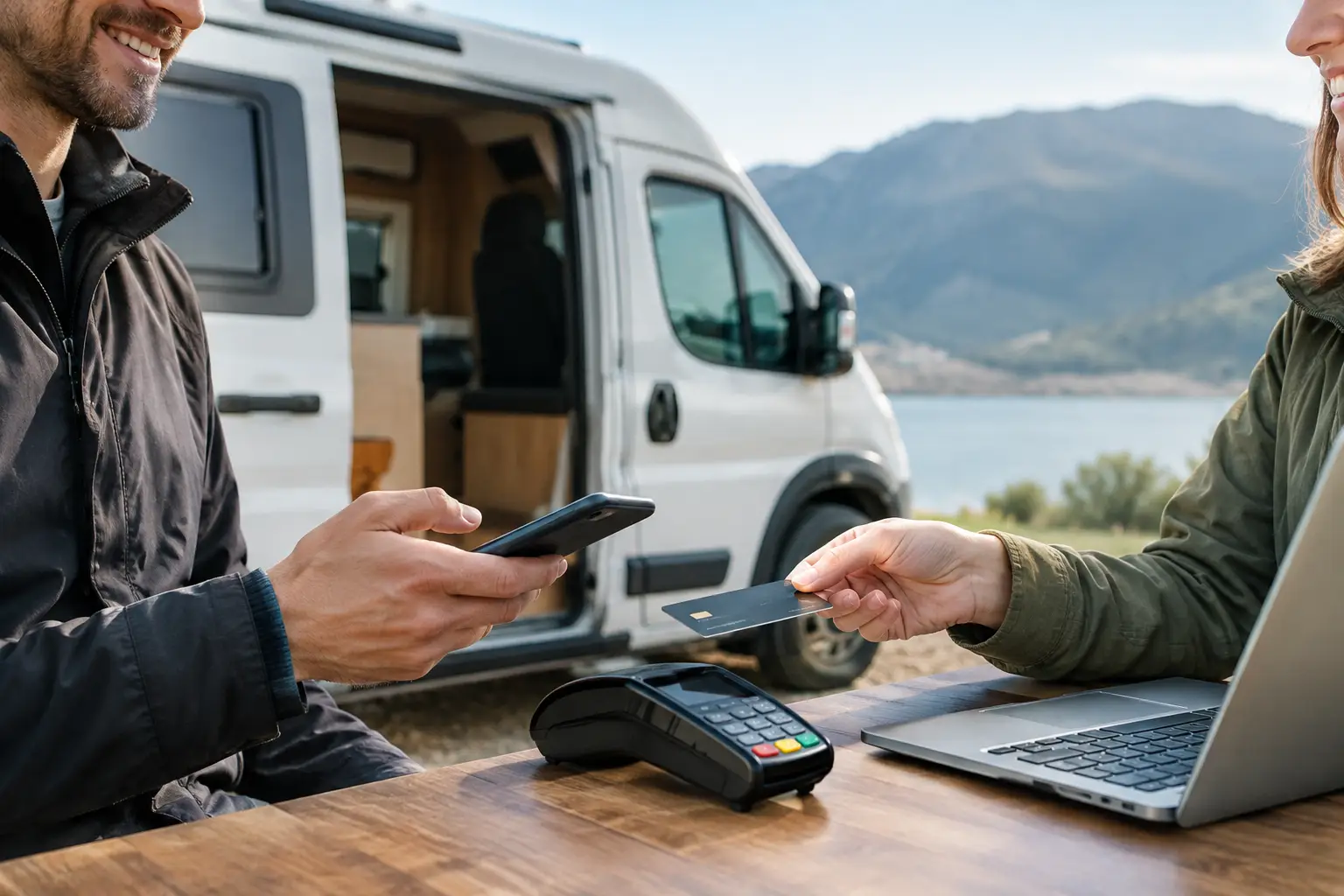
A campervan can be worth thousands of pounds, so the best campervan payment methods are not simply about getting paid quickly. They are about knowing the money is genuinely yours before you release the keys, hand over the V5C or allow the vehicle to leave your drive. A clear payment process protects both parties and prevents an otherwise straightforward sale becoming stressful.
For most private sellers, a confirmed bank transfer is the safest and most practical option. But the detail matters. From fake banking screenshots to uncleared cheques and pressure to accept a deposit, there are several situations where a little care can save a great deal of trouble.
Best campervan payment methods explained
Bank transfer: usually the right choice
A direct bank transfer is generally the preferred method when selling a campervan privately or to a professional buyer. It creates a clear record of payment, avoids carrying large sums of cash and can normally be checked from your own banking app or online account.
The key point is simple: do not rely on a buyer’s phone screen, an email confirmation or a screenshot showing that a payment has been made. Check your own account and make sure the full agreed amount has arrived and is available before completing the handover. If you are unsure, call your bank using the number on its official website or the back of your card.
Faster Payments usually arrive within minutes, although banks can occasionally hold or delay a transfer for security checks. That does not automatically mean anything is wrong, but it does mean the sale should wait until the payment is visible and confirmed. A genuine buyer should understand this.
For a high-value vehicle, it is sensible to agree the payment method before anyone travels. Ask the buyer to check their daily transfer limit with their bank in advance. This avoids the awkward situation where they arrive ready to buy but can only send part of the money.
Cash: immediate, but not always convenient
Cash can feel reassuring because you can see it in front of you. For a lower-value sale, it may be workable, particularly if the exchange takes place during banking hours. However, for most campervan sales, the amount involved makes cash less practical.
There is a risk of counterfeit notes, miscounting and personal security concerns. Storing or transporting a large amount of cash also creates a problem once the buyer has left. If you do accept cash, meet at your bank and pay it in straight away, before releasing the campervan. The bank can count the money and carry out its own checks.
Never feel pressured to accept a large cash payment at your home late in the day. A buyer who insists that it must happen immediately, or who wants to pay less than agreed in cash and the rest later, is giving you good reason to pause.
Cheques and banker’s drafts: proceed with care
Personal cheques are rarely suitable for a campervan sale. Even if a cheque appears genuine, it can be cancelled, returned unpaid or take time to clear. Do not hand over the vehicle based on a cheque deposit receipt.
Banker’s drafts and building society cheques were once common for larger purchases, but they are now less convenient and can still be forged. If a buyer proposes one, contact the issuing bank independently and verify it before you release the campervan. In practice, a confirmed bank transfer is usually simpler for everyone.
Deposits: useful only with clear terms
A deposit can be reasonable when a buyer needs time to arrange collection or finance. It shows intent and can stop the vehicle being sold to someone else while arrangements are made. However, it should never replace a proper final payment plan.
Put the agreement in writing. State the deposit amount, the full sale price, when the balance is due, whether the deposit is refundable and what happens if either party cancels. Keep the deposit proportionate. A small holding deposit is one thing; accepting most of the value with a vague promise that the remainder will follow is another.
If you are selling to a direct buyer, ask when payment will be made and whether it will clear before collection. A professional process should be clear from the outset, without changing terms at the doorstep.
How to make a campervan payment safe
The payment method is only one part of a secure sale. Good preparation reduces the chance of confusion, disputes or fraud.
First, agree the exact price in writing, including whether accessories such as an awning, bike rack, gas bottles or solar equipment are included. Confirm that the price is final and that there are no deductions planned on collection unless previously discussed. This avoids last-minute haggling after you have taken the vehicle off the market.
Second, prepare a simple receipt. It should include the buyer and seller names, the vehicle registration, make and model, VIN if appropriate, agreed price, date, time and payment method. Both parties should sign it. A receipt is not complicated legal paperwork, but it gives everyone a proper record of the transaction.
Third, only hand over the keys, service history, spare keys and V5C once the full payment has been verified. If you notify DVLA online that you have sold the vehicle, do it at the time of handover and keep confirmation of the submission. Remove your personal belongings and cancel or transfer insurance only once the sale is complete.
Finally, trust your instincts. Be cautious if a stranger wants to buy unseen, sends more money than agreed, asks you to refund an overpayment, or uses a third party to collect without a clear explanation. These are familiar fraud patterns. It is perfectly reasonable to stop the sale if anything does not add up.
Payment when selling to a professional buyer
Selling privately can sometimes achieve a higher headline price, but it also means arranging viewings, handling test drives, negotiating and checking payment yourself. For owners who value speed and certainty, selling directly to an established campervan buyer can remove much of that work.
Before accepting an offer, ask when funds will be sent, how you will be able to verify them and whether collection is included. You should also be upfront about the campervan’s condition, any damp, damage, mechanical issues or outstanding finance. Honest information helps a buyer make a fair offer and reduces the risk of changed expectations later.
At Connors Caravans, the aim is a straightforward purchase: a clear valuation, an agreed price, prompt payment and collection arrangements without the usual private-sale hassle. That can be particularly useful if your campervan is underused, needs attention or you simply do not want weeks of enquiries from people who never turn up.
Questions sellers often ask
Should I accept a screenshot of a bank transfer?
No. Screenshots and payment confirmation emails can be altered. Only treat payment as complete when you can see the full amount in your own bank account.
Can a buyer pay in instalments?
They can, but it is usually safer not to release the campervan until the full balance has been received. If you agree instalments, set out the terms clearly in writing and retain possession of the vehicle and documents until payment is complete.
Is it safe to give a buyer my bank details?
Providing your account name, sort code and account number for a payment is normal. Never share your online banking password, card PIN, one-time security codes or any code sent to your phone. A genuine buyer does not need them.
A safe sale is rarely about choosing the most complicated option. Agree the price clearly, verify payment in your own account and do not hand over your campervan until everything is in order. That gives you the certainty a major vehicle sale should provide.