
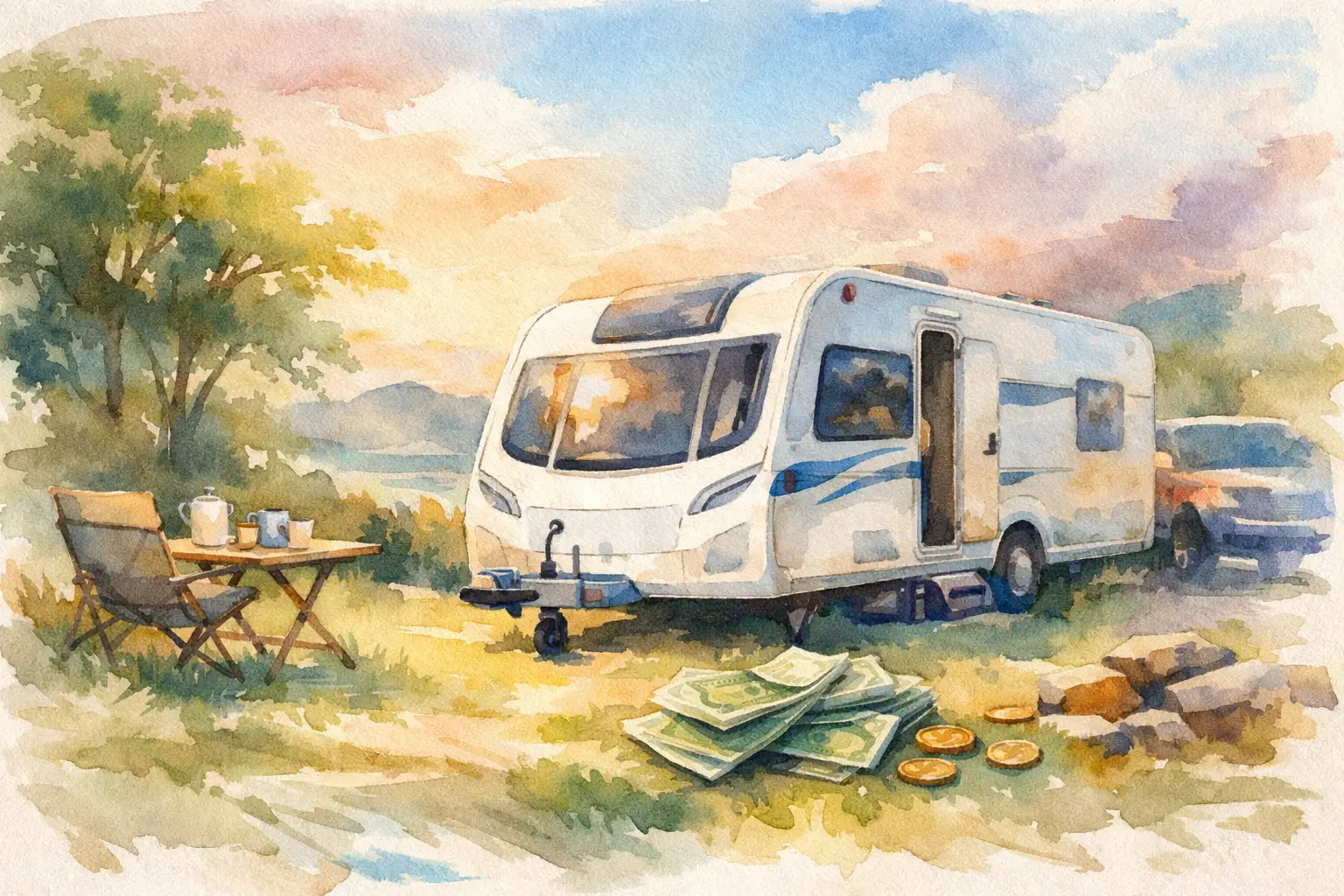
If your Bailey is sitting on the drive unused, costing you storage, insurance or upkeep, there comes a point where keeping it makes less sense than moving it on. If you want to sell a Bailey caravan for cash, the main question is not whether it can be sold – it is how to do it quickly, fairly and without turning the process into a job in itself.
Bailey caravans are well known and widely owned, which is good news for sellers. Models such as the Unicorn, Pegasus, Phoenix and Approach ranges have a strong place in the market, and buyers know what they are looking at. That said, a recognisable badge does not automatically mean an easy private sale. Age, condition, damp history, layout, service records and seasonal demand all affect what your caravan is worth and how long it may take to sell.
Why owners choose to sell a Bailey caravan for cash
For many owners, speed and certainty matter more than chasing the last possible pound. Private selling can work, but it often means cleaning the caravan repeatedly for viewings, answering the same questions, dealing with no-shows and haggling with people who arrive expecting a discount before they have even stepped inside.
That is why a direct cash sale appeals to so many Bailey owners. You get a clear offer, a quicker decision and a defined route to payment. There is no need to place adverts, field endless messages or wait weeks to see whether a buyer’s finance or transport falls into place.
This is especially useful if your circumstances have changed. You may be upgrading, giving up touring, handling a family estate, freeing up driveway space or simply deciding the caravan is no longer being used enough to justify keeping it. In those situations, convenience is not a luxury – it is the main reason to sell.
What affects the value of a Bailey caravan
The first thing most sellers want to know is what their Bailey is worth. There is no single fixed figure, because the market looks at the whole vehicle rather than just the badge on the front.
Age is an obvious factor, but condition matters just as much. A well-kept older Bailey with clean upholstery, tidy bodywork and a solid service history can be more attractive than a newer model with signs of neglect. Damp is a major consideration too. If there is evidence of water ingress, soft walls or a musty smell, buyers will reflect that in the offer.
Specification also plays a part. Popular layouts, fixed beds, end washrooms and well-equipped interiors tend to attract stronger demand than less practical arrangements. Documents help as well. If you have manuals, service records, CRiS paperwork, receipts for repairs and proof of ownership, it creates confidence and makes the process smoother.
Then there is the simple reality of the market. Demand shifts during the year, and used caravan prices are influenced by fuel costs, consumer confidence and how much stock is already available. A fair valuation is based on what the caravan can realistically sell for now, not what similar models may have achieved in a stronger season.
The easiest way to sell a Bailey caravan for cash
If your priority is a straightforward sale, the easiest route is usually to deal directly with a specialist buyer rather than advertise privately. The reason is simple. A specialist already understands Bailey caravans, knows how to assess condition properly and can make a decision without dragging the process out.
In practice, it should be simple. You provide the registration if applicable, model details, year, general condition and any known issues. Clear photos help speed things up. From there, you receive a valuation based on current trade demand and the caravan’s condition.
If you are happy with the figure, the sale can move quickly. Payment is arranged, paperwork is handled properly and collection is organised. For many sellers, that is the difference between a problem solved this week and a listing that is still online a month from now.
Private sale or direct buyer?
It depends on what matters most to you. A private sale may achieve a higher figure in some cases, particularly for a newer Bailey in excellent condition during peak demand. But that higher figure is never guaranteed, and it usually comes with more time, more effort and more uncertainty.
A direct buyer offers speed, convenience and a definite outcome. You may decide that avoiding tyre-kickers, price chancers and repeated appointments is worth far more than holding out for an extra amount that may never materialise. For older caravans, units with damage, or vehicles with outstanding finance, the gap between the two options often narrows anyway.
That is why many owners choose certainty. They want a fair offer, not an exhausting process.
Selling a Bailey caravan with damage or wear
One of the biggest worries sellers have is whether anyone will buy a caravan that is not perfect. The answer is yes, but honesty matters.
Scuffs, ageing interiors, minor body damage, cosmetic wear and missing service history do not automatically stop a sale. Even more serious issues such as damp, accident damage or outstanding finance can still be workable depending on the vehicle. The key is to describe the caravan accurately from the start. It saves time, avoids disputes and leads to a more realistic valuation.
Trying to hide faults nearly always backfires. A serious buyer will spot them, and it damages trust immediately. A straightforward description gives you the best chance of getting a fair cash offer without delays.
What to prepare before you sell
You do not need to overcomplicate it, but a little preparation helps. Give the caravan a basic clean so its condition can be assessed clearly. Remove personal belongings, gather any paperwork you have and make a note of the model, year and any extras included in the sale.
It also helps to be upfront about faults. If there is damp, tell the buyer. If the caravan has been in storage for a while and the battery is flat, mention it. If there is finance outstanding, say how much remains. None of that automatically stops the sale. It simply means the offer can be based on the real position rather than guesswork.
Good photos make a difference too. Exterior angles, seating, kitchen, washroom, bedroom area and any damaged sections all help speed up a proper valuation.
How the process should work
A professional cash-buying service should make things easy from the first conversation. You send the details, receive an offer, agree the price if it suits you, then arrange payment and collection. No hidden charges, no last-minute changes without reason and no vague promises.
That clarity matters. If you are selling in Dumfries, Carlisle, Newcastle or anywhere across the wider region, the process should feel the same – straightforward, prompt and handled by people who know the leisure vehicle market. Connors Caravans focuses on that direct purchase model, which suits sellers who want a quick, no-fuss answer rather than a long sales cycle.
Of course, there are trade-offs. If your Bailey is nearly new, immaculate and highly sought after, you might decide to test the private market first. But if your main goal is to turn it into cash without the usual hassle, a direct buyer is often the more sensible route.
Common mistakes that slow the sale
The biggest mistake is pricing based on hope rather than the market. Owners understandably remember what they paid, what they spent on upgrades or what another caravan was advertised for. But asking prices and sold prices are not the same thing.
Another mistake is waiting too long. If the caravan is no longer being used, leaving it standing can mean further deterioration, extra storage costs and a lower value later. Damp rarely improves on its own, and standing tyres, batteries and seals all age whether the caravan is used or not.
The third issue is chasing too many options at once. Listing privately, speaking to dealers and replying to casual enquiries can drag the process out. If speed matters, it is usually better to choose the route that gives you the clearest answer and act on it.
When cash sale makes the most sense
A cash sale is often the right option when time matters, when the caravan has faults, or when you simply do not want the effort of selling privately. It also suits people dealing with probate, retirement from touring or a change in family circumstances. In those cases, simplicity counts for a lot.
A Bailey caravan can still have strong value, even if it is not in showroom condition. The important thing is finding a buyer who understands the market, values the vehicle fairly and can complete the purchase without unnecessary delays.
If you are ready to move on, the best next step is a proper valuation based on the caravan you actually have, not an optimistic guess. A fair offer, fast payment and organised collection can turn an underused Bailey into money in the bank with far less stress than most owners expect.
Sometimes the easiest sale is the best one – especially when it lets you draw a line under the caravan and get on with what comes next.