
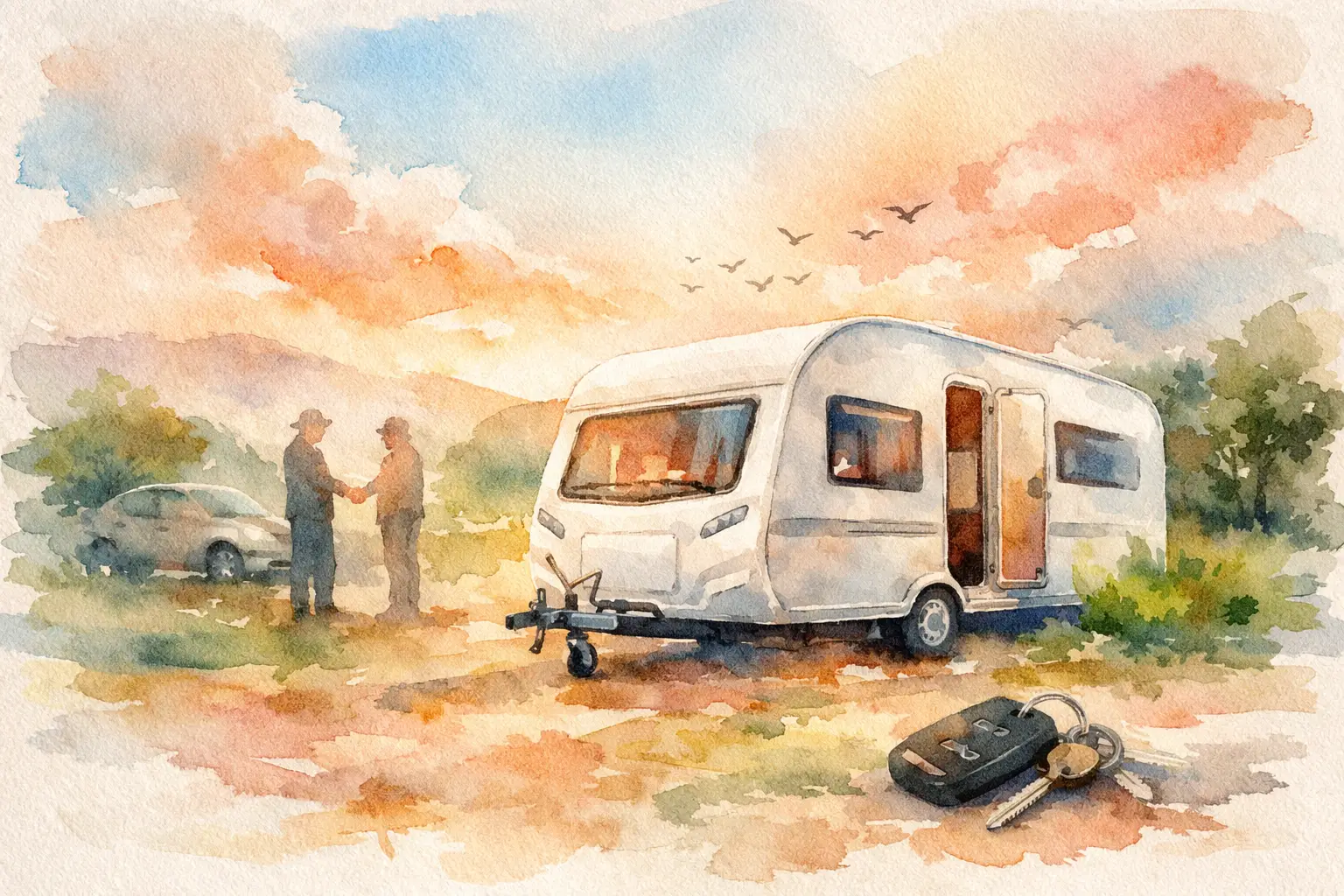
If your caravan is sitting on the drive unused, costing you storage, insurance or simple peace of mind, speed starts to matter. When people search for how to sell a caravan fast, they usually want the same thing – a fair price without weeks of adverts, missed appointments and awkward haggling.
The quickest sale usually comes down to one decision. Do you want to hold out for the highest possible private sale price, or do you want certainty, speed and less effort? For some owners, private selling is worth the time. For many others, especially if the caravan has wear, age, damage or finance outstanding, a direct buyer is the more realistic route.
How to sell a caravan fast without wasting weeks
The biggest mistake sellers make is going to market unprepared. A caravan that is priced badly, poorly photographed or missing paperwork nearly always takes longer to sell. Buyers become cautious very quickly, and once an advert has been sitting around for too long, people start assuming something is wrong.
If you want to move things along, start by getting your information together. Make, model, year, layout, service history, CRiS details if applicable, ownership documents and any records for repairs or damp checks all help. Even when a buyer is happy to purchase quickly, they still want confidence that the vehicle is what you say it is.
Condition matters too, but not always in the way sellers think. You do not need to spend a fortune making an older caravan look new. What helps more is being honest and presenting it properly. A clean interior, tidy exterior and clear disclosure of faults are far better than a rushed cosmetic fix that raises more questions later.
Price it to sell, not to sit
If your main goal is speed, pricing has to reflect the market as it is now, not what you paid for it or what you hope it might fetch. Caravans can lose value quickly depending on age, season, condition and demand. A twin-axle family model in good order may attract stronger interest than an older van with signs of damp, but both will struggle if the asking price is unrealistic.
This is where many private sales slow down. Sellers often look at dealer prices online and assume their own caravan should be listed at a similar level. In reality, dealer prices usually include preparation, warranty, overheads and room for negotiation. A private seller does not have that cushion.
A fair asking price should take into account mileage where relevant for towing history, servicing, bodywork, upholstery, appliances, tyres, signs of water ingress and whether the caravan is ready to use straight away. If there is damage or outstanding finance, that does not always stop a sale, but it does affect what buyers will pay and how fast they will move.
If speed matters more than squeezing out every last pound, a realistic cash valuation is often the best starting point. It gives you a clear benchmark and helps you avoid the trap of listing too high, dropping the price later and losing buyer confidence.
Present the caravan properly
A fast sale depends on trust. Most buyers can tell the difference between a well-kept caravan and one that has been quickly tidied for photographs. Before offering it for sale, give it a proper clean, air it out and remove clutter. Open blinds, wipe surfaces, check lights and make sure the upholstery looks fresh.
Photos should be taken in good daylight and should show the caravan clearly from all sides, along with the lounge, kitchen, washroom, sleeping area and any visible wear. If there is a dent, cracked panel or damp mark, show it. That might sound counterproductive, but it saves time. You are far more likely to attract serious enquiries if buyers know what to expect before they turn up.
Good presentation is not about hiding age. It is about showing that the caravan has been looked after and that you are a straightforward seller.
Private sale or direct buyer?
If you are deciding how to sell a caravan fast, this is the point where speed and value need to be weighed properly. A private sale may achieve a higher figure, especially for a modern, clean caravan in a popular layout. But it can also mean writing adverts, taking calls at odd hours, dealing with no-shows, answering the same questions repeatedly and waiting for a genuine buyer to appear.
There is also the issue of payment security. Private sellers need to be careful with bank transfers, deposits, paperwork and handover arrangements. If the caravan is stored off-site, every viewing can become a job in itself.
A direct vehicle buyer is usually faster because the process is simpler. You provide the details, receive an offer, agree the price and arrange payment and collection. There is less uncertainty, no need to keep relisting the caravan, and no pressure to negotiate with strangers on your driveway.
That route can be especially useful if the caravan has faults, has been standing for a while or needs to be sold because of a change in circumstances. In those situations, convenience is often worth more than chasing a theoretical higher price that may never actually be achieved.
What slows a sale down
There are a few common reasons caravans stay unsold longer than they should. One is vague information. If your advert or valuation request says very little, buyers assume there is more to uncover. Another is hiding faults in the hope that they will not matter. They always matter once someone inspects the caravan.
Timing can play a part as well. Spring and early summer often bring stronger demand, but good caravans still sell outside peak months if the price is right. Waiting for the perfect season is not always practical if you want the sale done now.
Distance and transport can also become a stumbling block. A buyer may be interested, but if collection is awkward or they need to arrange towing, the process can drag on. This is one reason direct buyers appeal to sellers across Scotland and northern England – collection can often be arranged as part of the sale, which removes another delay.
How to deal with caravans that are harder to sell
Not every caravan is in showroom condition, and that is where many owners lose time trying routes that are not suited to the vehicle. Older caravans, damaged units and caravans with outstanding finance often attract less interest privately because buyers worry about hidden costs or paperwork complications.
That does not mean they cannot be sold quickly. It simply means you need the right type of buyer. A specialist purchaser will normally assess the caravan on its actual condition and market value, rather than expecting perfection. If finance is still outstanding, the balance can often be settled as part of the transaction, provided the figures stack up.
The key is honesty from the start. Mention damp if there is damp. Mention body damage if there is body damage. Mention if the caravan has been off the road or in storage for a long period. Clear information speeds up decisions and reduces the chance of a sale collapsing later.
A simple process works best
If you are serious about selling quickly, keep the process simple. Get a valuation based on accurate details. Compare that with the time and effort involved in selling privately. If the offer is fair and the process is clear, the fastest option is often the best one.
A lot of sellers spend weeks trying to save a small margin that disappears anyway in storage fees, insurance, travel to viewings, reduced asking prices and sheer inconvenience. That is why a direct sale appeals to so many caravan owners who simply want the money in the bank and the vehicle gone without fuss.
At Connors Caravans, the focus is exactly that – fair offers, fast decisions, quick payment and collection arranged. For owners who want certainty rather than hassle, that can make all the difference.
If your aim is speed, do not overcomplicate it. Price the caravan honestly, be clear about its condition and choose the route that gives you a genuine buyer, not just interest. A straightforward sale is often the one you feel best about once it is done.