
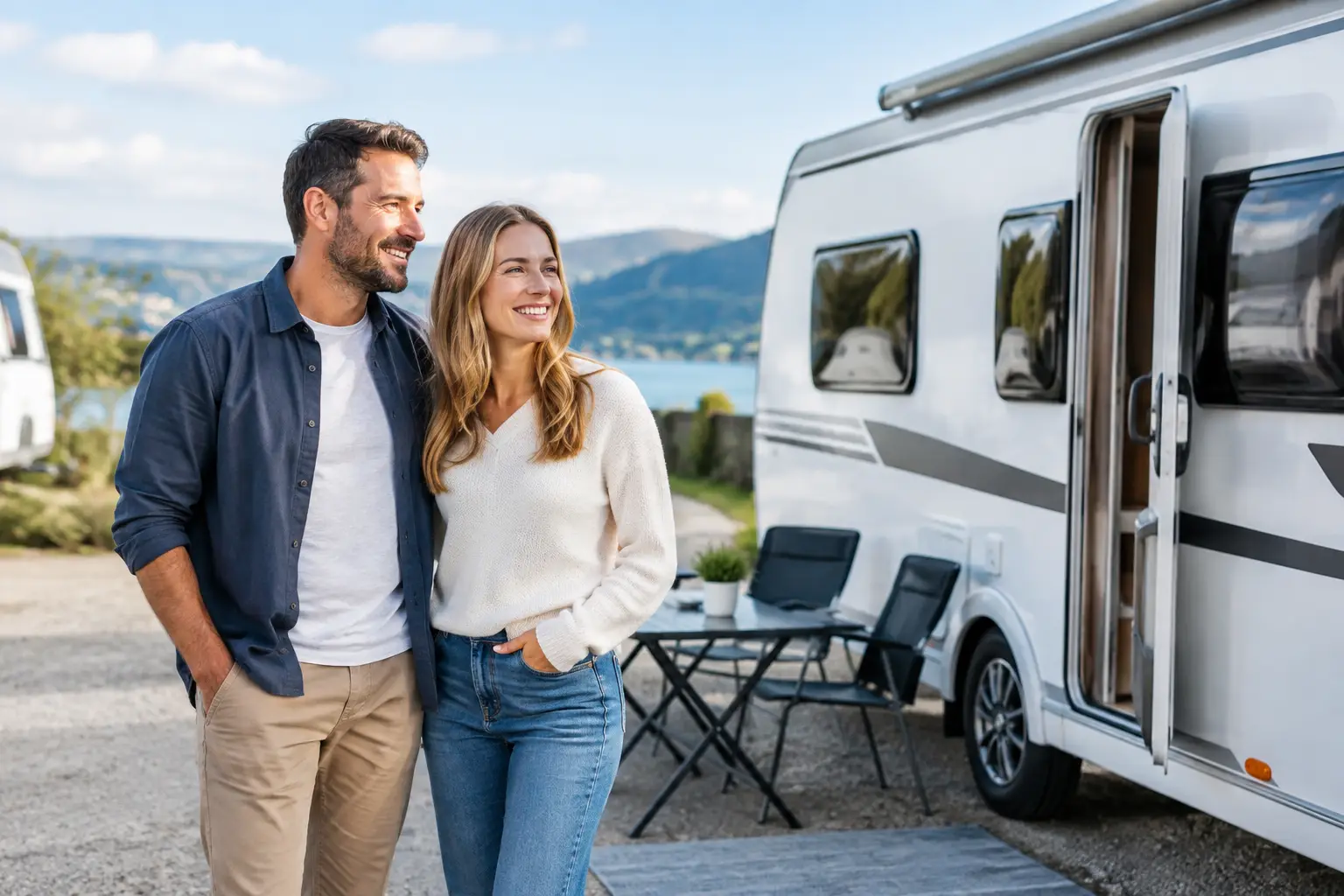
That newer caravan at the dealer can look very tempting, but the part-exchange figure for your current one can quickly take the shine off the deal. A caravan upgrade sale gives you another option: sell your existing caravan directly, receive a clear offer and use the proceeds towards the model that better suits the way you travel now.
For many owners, upgrading is not about chasing the latest layout. It is about having a fixed bed instead of making one up each evening, gaining extra berths for grandchildren, improving heating for spring and autumn breaks, or simply choosing a lighter caravan that is easier to tow. Whatever the reason, selling your present caravan should not become the difficult part of the upgrade.
Why sell your caravan before upgrading?
Part exchange is convenient, and for some people it is the right route. It allows everything to be dealt with in one place and can make buying a replacement feel simple. The trade-off is that the offer may be lower than you hoped, particularly where a dealer has limited demand for your make, age or layout.
Selling separately can give you a clearer view of your budget. Once you know what your existing caravan is worth, you can negotiate on your next purchase with more confidence. You are no longer relying on a combined price that can make it hard to see where the real value sits.
A direct sale is also useful if you have already found the caravan you want, are changing to a motorhome or campervan, or simply want to release funds before making your next decision. The aim is not to delay your plans with months of advertising. It is to turn an underused caravan into available money without unnecessary effort.
What affects the value in a caravan upgrade sale?
Age, make, model and condition all matter, but they are not the whole story. A popular layout in clean, well-kept condition will usually attract stronger interest than an unusual layout with visible wear. Seasonal demand can influence prices too. Many buyers begin looking before the touring season, while interest can ease as winter approaches.
Service history, damp checks and paperwork can help support a valuation. If you have the handbook, keys, CRiS documentation where applicable, servicing invoices and proof of recent repairs, keep them together. They give a buyer a more complete picture and can make the process quicker.
Be honest about any faults. A damaged panel, a tired interior, a leaking window or an appliance that needs attention does not automatically stop a sale. It does affect the price, but being upfront avoids wasted time and allows a fair offer to be made from the start. The same applies if the caravan has outstanding finance. It can often still be sold, provided the settlement figure and lender details are clear.
Presentation helps, but expensive repairs do not always pay back
A basic clean, removal of personal belongings and a quick check that you have all the keys are worthwhile. Clear photographs are helpful if requested, especially of the exterior, lounge, kitchen, washroom and any areas with wear.
There is no need to spend heavily trying to make an older caravan look new. Replacing tyres, repairing cosmetic marks or fitting accessories just before selling may not add enough value to cover the cost. If a repair is needed for safety or to prevent further damage, it may make sense. For everything else, ask for a valuation first and make the decision based on the likely return.
Avoid the usual private-selling delays
Selling privately can work well if you have plenty of time, are comfortable arranging viewings and are happy to negotiate. In reality, it can involve repeated messages, no-shows, low offers and people asking for a viewing at inconvenient times. You may also need to keep the caravan insured and stored while waiting for the right buyer.
This is where a specialist buyer can make a real difference. Instead of creating an advert and hoping for serious interest, you provide the caravan details and receive a decision based on current market knowledge. If the offer is right for you, the sale can move ahead without strangers visiting your home or long discussions over payment.
Connors Caravans buys caravans directly from private owners, including older models, caravans with faults and units with finance still to settle. The focus is straightforward: a fair valuation, fast payment and collection arranged at a convenient time. That can be particularly useful when the caravan you want to buy is already available and you do not want to risk losing it while your own sale drags on.
How to arrange a smooth caravan upgrade sale
Start by gathering the essentials. Have the make, model, year, berth, location and a realistic description of condition to hand. Mention significant extras, such as a motor mover, awning or solar panel, but do not assume every accessory adds its full original cost to the value. Some additions are useful, while others matter less to the next owner.
Next, get a valuation before committing to a replacement caravan. This gives you a sensible figure to work with rather than a guess based on asking prices online. Remember that advertised prices are not always achieved prices, and they do not account for the time, preparation and uncertainty involved in private selling.
Once you have an offer, check what is included. A professional purchase should make clear how payment will be handled, when collection can take place and whether there are any charges for collection. Ask questions if anything is unclear. A good sale should feel transparent from the first conversation to handover.
If you accept, keep your paperwork ready and remove anything personal from lockers, cupboards and under-seat storage. Check for holiday items that are easy to forget: documents, charging leads, keys, bedding, membership stickers and toll tags. If you are keeping an awning or other item, make that clear before collection.
Timing your sale around your next purchase
The ideal timing depends on your situation. Some owners prefer to sell first, giving themselves cash in hand and no pressure to accept a poor part-exchange deal. Others want to secure the new caravan first, especially if it is a specific model or layout they have been searching for.
If you are buying from a dealer, ask how long they can hold the caravan and whether a deposit is refundable. If you are buying privately, be especially careful not to send large sums before viewing the vehicle and checking its documents. Selling your own caravan quickly is useful, but it should not rush you into a replacement that is unsuitable or overpriced.
When upgrading may not be the best answer
It is worth being realistic about what you need. If your caravan is fundamentally right but needs a small repair, changing it may cost far more than fixing the issue. Likewise, a newer caravan can bring more comfort and features, but it may also mean higher insurance, storage or finance costs.
On the other hand, if your current caravan is sitting unused because towing it has become difficult, the layout no longer works or repairs are becoming a regular expense, selling can be a sensible decision. You may decide to move to a lighter caravan, a motorhome, a campervan or take a break from ownership altogether. There is no single right route, only the one that fits your plans and budget.
A caravan upgrade should make future breaks easier to enjoy, not leave you tied up in adverts, viewings and uncertainty. Getting a clear, fair offer for your current caravan lets you move forward at your own pace, with the money and certainty to choose what comes next.